




Picking a product to sell online is easy. Knowing when you’ve picked the wrong one, and working out what to do about it is a lot harder. We learn the hard way what happens when you pick the wrong product to dropship.
We learned that the expensive way. Coming into Christmas a few years back. We thought we’d had a genius idea. We decided to go hard at selling radio-controlled cars, planes and boats. They’d make great Christmas presents for kids and adults alike. We figured, that we where going to kill it.
Nope. It cost us thousands of dollars.
A mistake like that isn’t just expensive. It can do real damage to your brand and your confidence. We got this one badly wrong, and wanted to walk you through exactly why, because every one of these mistakes was avoidable. If you take nothing else from this, take this: the research you skip before you list a product is the research that costs you the most afterwards.
Here’s where it all went wrong.
1. We assumed RC toys were like the ones we had as a kid
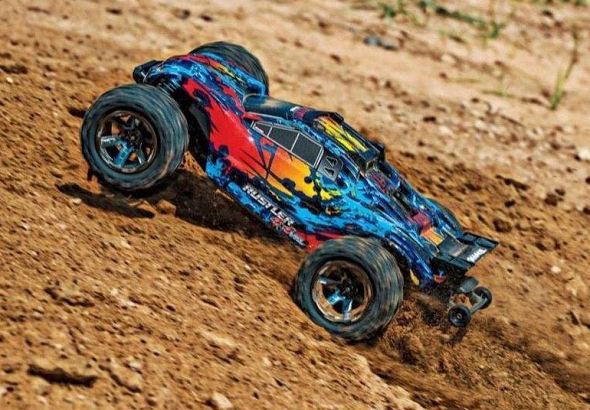
The first and biggest blunder. In our head, an RC car was the same cheap, knockabout toy we’d hammered around the backyard as a kid. Modern RC vehicles are nothing like that.
These are high-performance machines now. Some RC model cars do upwards of 40 km/h, with suspension, gearboxes, motors and dozens of moving parts. And just like real cars, they crash. They roll over. They hit gutters. And when they do, something breaks, exactly the way it would on a real vehicle.
The numbers told the story. Out of the 10 units we sold in about six weeks, seven came back with broken parts, and every one of those customers wanted to know where they could get replacements. We had completely underestimated what we were actually selling.
2. We never checked whether we could even mail the batteries
We drop ship, so we don’t see the product before it goes out. When we listed these items, we set the delivery method to standard general mail without a second thought.
Here’s what we didn’t know: customs and postal carriers have strict rules about sending lithium batteries through regular mail. RC vehicles are full of them.
We’d arranged general mail for the first five units. All five were inspected by customs and returned to sender. We then had to contact every one of those customers, explain that their order had been “lost in the mail,” and offer them either a full refund or a resend.
Three chose to have the item resent. To get them through this time we had to use a proper parcel freight service, which charged an extra $30 per item. There went the margin. Hello, loss. The lesson: know your shipping and compliance rules before you list, not after a shipment bounces back.

3. We had no idea spare parts were such a huge part of the business
RC spare parts are a thriving niche business in their own right, and we walked into it completely blind.
Once those seven customers started asking for replacement parts. We went back and forth with the suppliers trying to sort it out. Eventually they admitted the truth: they don’t sell spare parts at all. We were on our own.
We ended up hunting down a separate parts supplier online and referring customers directly to them. It wasn’t a great look, and it was a service We should have been able to provide ourselves. In this hobby, the after-sale parts demand isn’t an afterthought, for a lot of buyers, it’s half the point.
4. Warranty? What warranty?
Our supplier had advertised the warranty as “limited.” We never asked what “limited” actually meant.
It turns out “limited” meant out of the box. In plain English: the moment the customer opened the package, they were on their own. No coverage for the inevitable breakages that come with the product. For an item that breaks this often, that’s about the worst warranty situation you can be in. We’d signed up for it without reading the fine print.
How we handled the fallout
At this point we had a choice. We could have left the customers out in the cold and gone with a “so sad, too bad” attitude. Plenty of businesses and suppliers do exactly that, and we hate it when it happens to us. So we weren’t going to do it to our own customers.
We copped it on the chin. We sorted out refunds, resends and parts referrals, and ate the costs. All up, our little RC toy venture cost me over $1,000. An expensive lesson, but a lesson all the same.
What we should have done differently
Looking back, the problem wasn’t the niche. we still think the RC toy market is a great niche to be in. Our problem was that we blundered into it completely unprepared. Here’s what we’d do differently next time, and what we’d tell anyone before they pick a product to drop ship.
We should have actually understood the product
We loved RC toys as a kid, and we let that nostalgia do the market research. The market had changed drastically and we hadn’t kept up. We should have walked into a local hobby store, talked to the staff, and seen what these things actually are now. We should probably have bought one, played with it, broken it, and learned firsthand how it behaves and what owners care about. Half an hour in a hobby shop would have saved a thousand dollars.
We should have sorted out spare parts support
If we’d done our homework, we’d have known upfront that spare parts are a huge part of this hobby. We could have set ourselves up to supply parts from the start. Or even bought a few extra RC units specifically to strip for spares. Either way, We’d have turned the number one complaint into a second revenue stream instead of a customer-service headache.
We should have respected that RC is a serious hobby
The biggest mindset shift came from talking to those 10 customers. These aren’t children’s toys anymore, they’re high-performance machines that adults are passionate about. Adult hobbyists have high expectations for the quality, support and value of what they buy. They’re not forgiving of a seller who doesn’t know the product. We were selling to enthusiasts while treating it like a toy, and the gap between those two things is where we lost my money.
The takeaway for your own store
If you’re choosing a product to drop ship, run it through the same checklist we wish I’d used:
- Know what you’re actually selling. Buy one. Use it. Break it. Understand it from the customer’s side before you list it.
- Check the shipping and compliance rules. Batteries, liquids, oversized items and restricted goods can all get held or returned at customs. Confirm it ships the way you’ve advertised.
- Map out after-sales demand. Will people need parts, accessories or support? If so, can you supply it, or is that a deal-breaker?
- Read the warranty before you sell, not after a complaint. Know exactly what your supplier covers and what you’ll be left holding.
- Match your service to your buyer. Hobbyists and enthusiasts expect more than casual gift-buyers. Price and support accordingly.
Picking the wrong product is one of the most common, and most expensive mistakes in drop shipping. The good news is that almost all of it comes down to research you can do before you spend a cent. We learned that lesson for a thousand dollars. Hopefully you can learn it here for free.